

Australia has become the first country in the world to pass a law banning children under the age of 16 from accessing most social media platforms.
The legislation, approved in late November 2024, is part of an effort to tackle the growing concerns about the impact of social media on children’s mental health, exposure to harmful content, and online predators.
Platforms like TikTok, Facebook, and Instagram are now required to verify users’ ages, or they face steep fines if they fail to comply by 2025.
The law has sparked a heated debate.
Supporters argue it’s a necessary move to safeguard young minds, citing studies that link excessive social media use to increased anxiety and depression among teens.
Critics, however, believe it’s overly restrictive and may push kids toward unregulated and riskier corners of the internet.
Others worry about how age verification will work without invading privacy, as the government promises no one will need to show ID.

For parents, the ban represents both relief and responsibility.
On one hand, it’s a chance to shield their kids from digital pressures; on the other, it raises questions about how to monitor and enforce these new rules.
Critics also worry this might not address the root issues, such as teaching digital literacy and resilience to harmful content.
This landmark law could set a precedent for other nations.
Whether it’s a visionary move or an overstep will likely depend on its real-world impact on young Australians—and their internet habits.
Tech Giants Weigh In
The social media ban hasn’t gone unnoticed by tech giants like Elon Musk and Mark Zuckerberg.
While Musk, known for his libertarian leanings, hasn’t directly commented, it’s safe to say he’d likely question the practicality and ethicality of government-mandated internet restrictions.
Meta (formerly Facebook), TikTok, and other platforms impacted by the law have expressed concerns about implementing age verification without breaching user privacy.
TikTok, in particular, has begun testing technology to detect underage users, hinting at a willingness to adapt but also highlighting the complexity of compliance.
Critics argue the law could alienate younger audiences who are core to social media’s user base while creating loopholes.
A rush to meet compliance deadlines, they say, could result in poorly executed measures or invasive policies that risk adult users’ data.
Critics of the Ban
Criticism of the ban ranges from skepticism about its effectiveness to accusations of government overreach.
Many argue that such restrictions could drive children toward unregulated platforms or the dark web, where harmful content is harder to monitor.
Prominent voices in the tech industry worry the law could set a precedent for other governments to impose strict regulations on online platforms, further tightening control over digital spaces.
Civil rights advocates are also raising questions about privacy, noting that requiring age verification might inadvertently lead to data leaks or misuse of personal information.
The Prime Minister Insists on The Ban
Australian Prime Minister Anthony Albanese defended the ban, stating, “We know some kids will find workarounds, but we’re sending a message to social media companies to clean up their act.”
According to him, the law is less about outright censorship and more about compelling tech companies to take user protection seriously.
He cited numerous studies linking social media use to mental health issues like anxiety and depression, particularly among teens.
Albanese emphasized that the law is a bold step toward safeguarding young Australians.
He acknowledged the challenges of enforcement but stressed the importance of starting somewhere.
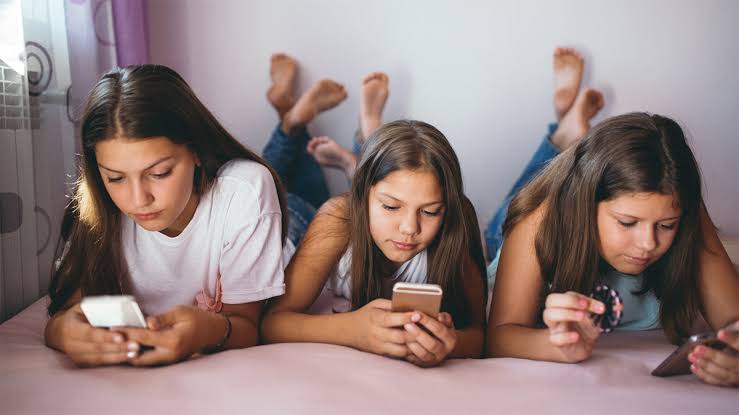
Social Media: A Double-Edged Sword for Kids
Social media is not inherently evil. For many young users, it’s a lifeline—a space to connect with peers, explore creativity, and learn about the world.
Platforms like YouTube and TikTok offer educational content, while Instagram and Snapchat provide avenues for self-expression and community building.
Moreover, during global crises like the COVID-19 pandemic, social media became a crucial tool for maintaining social bonds and accessing mental health resources.
A study by UNICEF showed that when used responsibly, social media can foster a sense of belonging and even improve emotional resilience in adolescents.
The Downsides
However, the negatives are hard to ignore. Cyberbullying, body image issues, and exposure to inappropriate content are just the tip of the iceberg.
The Royal Society for Public Health in the UK found that platforms like Instagram can exacerbate feelings of inadequacy, with 7 out of 10 teens reporting that social media made them feel worse about themselves.
There’s also the issue of screen addiction.
Excessive social media use has been linked to disrupted sleep patterns, reduced academic performance, and impaired social skills in children.
Will the Law Stand the Test of Time?
Whether this law becomes a global benchmark or fizzles out depends on its execution and reception.
On one hand, the legislation could push tech companies to innovate safer environments for younger users.
On the other, enforcement challenges and public pushback could render it ineffective.
Children are notoriously tech-savvy, and many critics predict they’ll find workarounds, from lying about their age to using VPNs.
If the government cannot effectively monitor compliance, the law may become more symbolic than functional.
There’s also the question of cultural acceptance.
In an era where screens are ubiquitous, removing social media could feel like cutting off a vital part of modern childhood.
Will parents embrace the law, or will they see it as overreach?
Time will tell.
What This Means for Parents and The Society
Australia’s ban on under-16s using social media is a bold experiment, one that could reshape how we think about online safety for children.
While the intention is noble, its success hinges on careful implementation and societal buy-in.
For parents, this is a call to action.
Beyond relying on government regulations, it’s crucial to foster open conversations with kids about the risks and rewards of social media.
Teach them to critically evaluate online content, set boundaries for screen time, and encourage offline activities that build confidence and social skills.
“Children are the future, but their futures will be shaped by the decisions we make today.”
What’s your take on this controversial law?
Is it a step in the right direction or a step too far?
Share your thoughts in the comments below!
Read also: Tiktok Founder Now The Richest Man In China
About The Author




Be First to Comment