
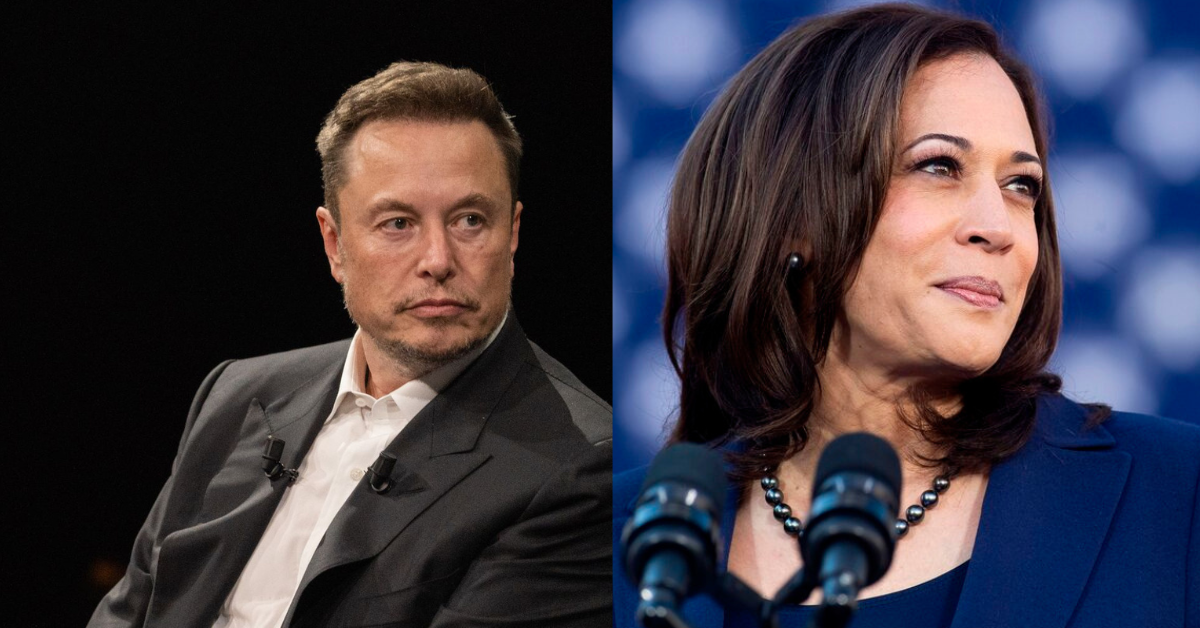
In the heated atmosphere of the 2024 U.S. election, Elon Musk has become a vocal player, championing various tech-related policies while expressing strong reservations about a potential Kamala Harris presidency.
As America contemplates its next president, young business enthusiasts are likely wondering: what would a Harris administration mean for tech entrepreneurs like Musk and the wider U.S. business landscape?
Let’s break down the key issues.
The Entrepreneurial Landscape Under Harris
Kamala Harris has historically advocated for tighter regulations on Big Tech.
In 2019, she led calls to suspend Donald Trump’s social media accounts due to their perceived impact on public discourse.
This stance alarmed some tech entrepreneurs who fear that Harris may push for strict content oversight, which could impact freedom of expression on platforms like X (formerly Twitter), where Musk remains particularly vocal.
With Harris in office, there’s speculation that her administration could press for increased accountability for tech companies—especially those managing social media content—potentially leading to greater government intervention in Big Tech (Reason.com).
Musk has also voiced concerns about the possible implications for his own companies, notably Tesla and SpaceX.
Harris has championed clean energy and electric vehicles, but the approach to environmental regulation might conflict with Musk’s high-speed vision for innovation.
Musk’s business interests rely on less restrictive environmental and bureaucratic hurdles, such as those he has faced with the Environmental Protection Agency in launching rockets from SpaceX’s sites (Politico).
Economic Policy: Friend or Foe for Business Leaders?
For business-oriented Americans, economic policy remains a top concern.
While Harris’s views align with progressive ideals, including corporate responsibility and potential tax hikes on high earners, this could create friction with the entrepreneurial community, which generally favors low-tax, pro-business policies.
Harris has emphasized addressing wealth disparity through taxation, which might unsettle high-net-worth business figures who prioritize reinvestment in innovation and growth.
Yet, Harris’s focus on green technology aligns with the goals of certain sectors, particularly renewable energy.
This alignment could foster opportunities for green innovation—something Musk has supported in principle, as Tesla and Solar City, both his companies, thrive in the green sector.
However, if Harris’s policies become overly restrictive or involve new financial obligations, this could place unexpected pressure on Musk’s companies and the broader green economy.
Musk’s Vision vs. Harris’s Reality
Elon Musk has called for less regulation on AI and a flexible approach to existential risks posed by AI.
His advocacy for a “hands-off” government policy with minimal interference contrasts with Harris’s cautious stance, which includes promoting ethical standards for AI applications.
Musk fears over-regulation could stifle U.S. leadership in AI and other frontier technologies.
In Washington, while both sides agree on some form of AI oversight, Harris’s approach appears more regulatory, raising concerns about innovation slowdowns among entrepreneurs (Politico).
Harris’s Environmental Push
One area of alignment might be climate change.
Both Harris and Musk recognize the importance of tackling climate change, but they differ in approach.
Musk has famously asserted the need for immediate action on climate but has recently voiced that progress shouldn’t come at the expense of entrepreneurial freedom.
Harris, however, has a progressive vision that might involve stringent carbon regulations, a prospect that could complicate Musk’s grand plans for expanding SpaceX’s rocket capabilities and Tesla’s operations without environmental interference (ABC News).
What’s Next
While Harris was aiming to become the U.S.’s first female president, many business leaders are asking whether her policies might shift the nation toward more government oversight—a concept that makes people like Musk uneasy.
Musk’s humorous comments—such as hints at taking “anyone but Harris to Mars”—play into his libertarian-leaning, anti-regulation persona, signaling the potential for a bumpy road ahead if Harris enters the White House.
In summary, while Harris’s presidency could potentially stimulate sectors like green energy, her regulatory inclinations may put her at odds with Musk’s ambitious, fast-paced business style.
Entrepreneurs should watch carefully as the U.S. navigates these pivotal issues, balancing government intervention with the freedoms they see as essential to innovation and economic success.
The Broader Impact on U.S. Entrepreneurship
A Harris presidency could be both a challenge and an opportunity for American entrepreneurs.
On one hand, her administration might bolster sectors like green energy, clean tech, and responsible AI development, with an emphasis on ethical standards and sustainability.
Harris’s background as a former attorney general shows a track record of tackling corporate accountability, which she would likely apply to issues like data privacy and social media responsibility—a move that might curb misinformation but also could invite more red tape.
The American Business Perspective: Key Voices Weigh In
Some prominent figures in American business express reservations about excessive regulations.
Jamie Dimon, CEO of JPMorgan Chase, has voiced concern about government overreach, cautioning that stifling regulation could impede growth and discourage innovation.
The delicate balance between supporting innovation and safeguarding public interest is central to debates around a Harris presidency.
Young entrepreneurs should pay attention to such perspectives, as they illustrate the impact of government policies on the lifeblood of American innovation: the startup and small-business ecosystem.
For instance, Dimon has noted that while government has a role in shaping economic growth, it should not “get in the way of American ingenuity,” echoing Musk’s calls for a lighter regulatory approach, especially in fast-moving sectors like technology and green energy (CNBC).
The Potential for Collaboration and Conflict
Interestingly, while Musk and Harris may have significant policy disagreements, there could also be room for collaboration, particularly on climate change initiatives.
Both share a commitment to reducing emissions and supporting renewable energy, even if their methods and motivations diverge.
Musk, though a vocal advocate for limited government intervention, might find common ground with Harris on programs that encourage electric vehicle adoption and renewable energy production.
However, a Harris administration might also intensify scrutiny over Musk’s ventures, from Tesla’s labor practices to X’s controversial free-speech policies.
For young entrepreneurs, these dynamics underscore the importance of understanding how public policy can simultaneously foster and limit business opportunities.
Looking Forward: Lessons for the Next Generation of Entrepreneurs
In the end, young business people have much to learn from the Harris-Musk debate.
Key takeaways include the importance of resilience and adaptability in navigating regulatory environments.
Whether you lean towards Musk’s unregulated model or see value in Harris’s more structured approach, there is a clear message here: successful entrepreneurship often means finding ways to thrive despite policy challenges.
This election reminds entrepreneurs that their industries are not only shaped by consumer demand but also by the political currents in Washington.
Whether you’re building the next space tech startup, a green energy solution, or a social media platform, keeping a pulse on policy can be as critical as tracking market trends.
So, as the 2024 election looms, entrepreneurs should keep their eyes on the prize: innovation that can succeed within, or in spite of, shifting political landscapes.
Whether Musk or Harris ultimately shapes America’s future, this election could redefine the boundaries between government and business for years to come.
The message is clear.
Understanding each candidate’s economic stance is key.
Whether you side with Harris’s progressive outlook or Musk’s call for regulatory restraint, this election holds important lessons on how policy can shape—and sometimes limit—the trajectory of American entrepreneurship.
About The Author



Be First to Comment