
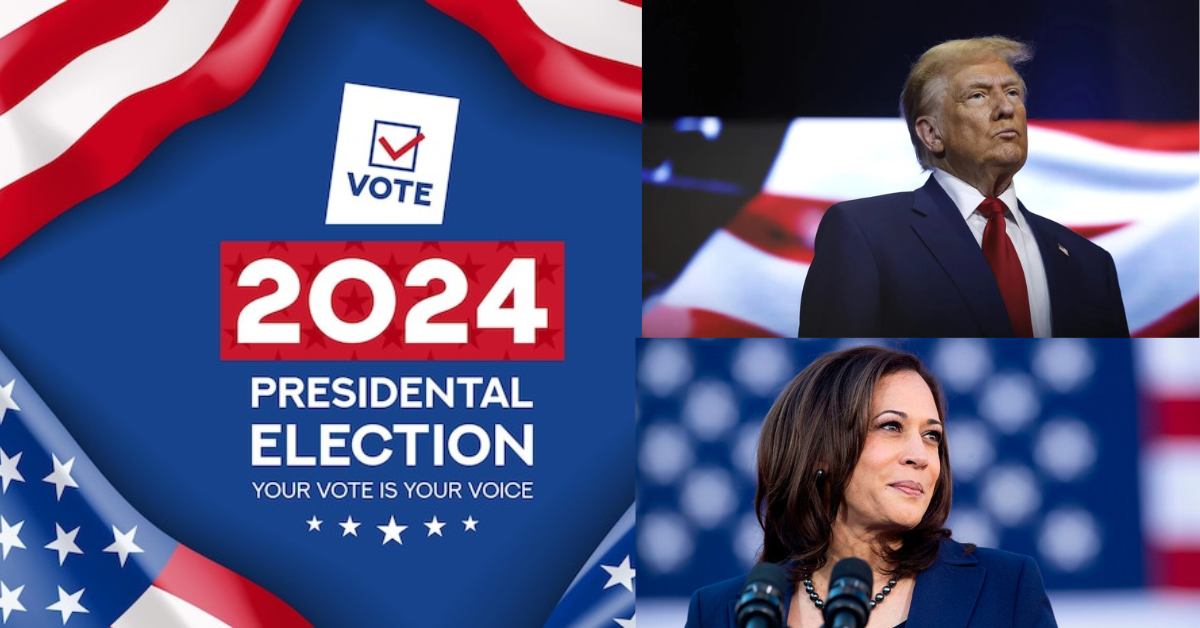
This 2024, Americans are not just watching another election cycle unfold.
They’re witnessing a masterclass in resilience, adaptability, and strategic thinking.
With candidates under a constant spotlight, each decision, debate, and policy statement is scrutinized not only for political implications but also for the broader lessons it provides in life and business.
From navigating economic challenges to handling public perception and adapting to evolving social values, the candidates’ journeys mirror the same high-stakes environment that entrepreneurs and leaders face every day.
This election season offers a unique lens into leadership and adaptability.
For young business professionals and future leaders, the campaigns of candidates like Kamala Harris and Donald Trump reveal invaluable insights into crisis management, branding, and the art of resilience.
This isn’t just a high-profile race to the White House; it’s an opportunity to extract actionable wisdom that applies directly to the world of entrepreneurship and career development.
In today’s unpredictable economy—where global shifts, technological advancements, and social movements constantly challenge the status quo—adaptability and foresight are essential.
From handling economic fluctuations and inflation to maintaining transparency and ethical decision-making, today’s leaders must master the balancing act between short-term agility and long-term vision.
As these candidates address pressing issues like climate change, healthcare, and economic stability, they also demonstrate how modern leaders must communicate effectively, inspire trust, and pivot with purpose.
Whether you’re an aspiring entrepreneur or a seasoned professional, these 34 lessons inspired by the 2024 election can help you strengthen your leadership skills, navigate complexities with confidence, and stay resilient in the face of challenges.
Let’s break down 34 critical lessons from this election season, touching on economics, resilience, adaptability, and image management.
1. Embrace Resilience in Uncertainty
Political campaigns face daily highs and lows, much like business ventures.
The ability of candidates to recover from missteps, counter criticisms, and continue with clarity illustrates resilience.
Entrepreneurs must similarly learn to weather crises while staying focused on their goals.
2. Adapt to Changing Circumstances
Both Trump and Harris have pivoted their strategies over time, adapting to voter priorities and economic conditions.
Flexibility is essential for businesses, especially in an economy where market demands and regulations can shift suddenly.
3. Align Goals with Market Trends
The economy, energy policy, and global relations are central topics in this election, with each candidate proposing different economic strategies.
Harris emphasizes green energy, while Trump focuses on energy independence through oil and gas.
Businesses too must align with market trends; for instance, clean energy-focused firms might benefit from a Harris-led administration’s policies on sustainability incentives, whereas a Trump administration could benefit energy companies focused on traditional sources (Superstaff, EY).
4. Understand the Power of Personal Branding
Candidates cultivate their public images carefully, whether it’s Trump’s focus on “strength” and resilience or Harris’s progressive and inclusive branding.
For business leaders, building a strong personal brand can inspire trust, attract talent, and define organizational culture.
5. Master Crisis Management
Campaigns are turbulent, requiring rapid responses to crises. Leaders in business, too, need to handle setbacks with calm, reassess quickly, and move forward strategically.
Schools like the Swiss School of Business emphasize these skills to prepare future leaders (SSBM).
6. Make Data-Driven Decisions
The candidates’ data-driven approaches to voter outreach reflect the value of analytics.
Entrepreneurs should apply data-driven insights for marketing, customer acquisition, and retention to stay competitive.
7. Balance Long-Term Vision with Immediate Action
Politicians often make decisions for immediate results, like tax cuts or spending boosts, while also projecting long-term plans for economic growth.
Business leaders should similarly balance quick wins with a vision for sustainable growth.
8. Navigate Trade and Policy with Agility
This election impacts international trade policies, with Trump and Harris proposing distinct approaches.
Trump leans toward protecting U.S. industries through tariffs, while Harris is more open to free trade that aligns with climate goals.
Companies, especially those in tech and manufacturing, must prepare for shifts in supply chains and potential tariffs, depending on the election outcome (EY, Superstaff).
9. Invest in Workforce Development
Both candidates recognize the importance of addressing the labor market’s skills gap.
For businesses, investing in training and development is crucial to remain competitive as automation and technological advancements reshape industries (SSBM).
10. Maintain Transparency in Leadership
Transparency builds trust, a lesson reinforced as candidates repeatedly explain their policies.
Business leaders should foster openness within their organizations to cultivate a culture of trust and integrity.
11. Value the Role of Innovation
This election season has underscored the importance of innovation, especially in areas like technology and renewable energy.
Harris’s campaign, for instance, emphasizes sustainable solutions and digital equity.
For businesses, investing in R&D and prioritizing innovation are not just buzzwords—they’re essential for growth and competitiveness.
12. Focus on Global Impact
The U.S. election debates have shown how national policies influence global economies.
For example, trade relations, climate policies, and global partnerships are key discussion points.
Young entrepreneurs should recognize that even small businesses can have a global impact and should consider international markets, supply chains, and cultural dynamics when making strategic decisions.
13. Learn to Leverage Media Wisely
This election has demonstrated how media can shape public perception.
Whether through social media posts, debates, or public statements, candidates like Trump and Harris use media to reinforce their messages.
Entrepreneurs should use media to communicate their brand values, attract customers, and share company achievements.
Remember – authenticity is crucial.
14. Prioritize Financial Health
Financial management has been a key topic, especially around the national debt.
Both candidates have discussed strategies to manage spending, cut deficits, and boost economic stability.
Entrepreneurs can learn the importance of cash flow management, budgeting, and reducing debt—financial health is the backbone of any business.
15. Cultivate a Strong Work Ethic
Political campaigns are grueling, requiring relentless dedication and stamina.
This commitment to hard work mirrors the mindset required for entrepreneurial success.
Building a business or climbing a corporate ladder requires the same consistent effort, long hours, and dedication.
16. Understand the Importance of Timing
Timing plays a huge role in politics, just as it does in business.
Launching a product at the right moment or entering a new market when demand is high can determine success.
Politicians also know when to pivot their messages or introduce policies.
In business, stay aware of market trends and consumer sentiment to find your own perfect timing.
17. Accept Accountability
As public figures, candidates face daily scrutiny.
In business, accountability fosters trust with clients, employees, and partners.
Own your decisions and be prepared to explain and justify your choices transparently.
18. Stay Ahead of Economic Trends
Candidates highlight how inflation, labor shortages, and energy costs impact Americans’ everyday lives.
Entrepreneurs, too, should monitor these economic trends to make informed decisions.
When inflation rises, for example, businesses might need to adjust pricing or optimize costs to stay profitable.
19. Protect Your Reputation
Both Harris and Trump actively manage their public personas, knowing that reputation can sway voters and shape public support.
For entrepreneurs, reputation management is equally essential.
Stay professional, act ethically, and remember that a good reputation can be one of your strongest assets.
20. Value Teamwork and Delegation
Political campaigns are team efforts; no candidate succeeds alone. Similarly, successful businesses rely on teams. Good leaders delegate effectively, trust their teams, and recognize the importance of collaboration to achieve shared goals.
21. Be Prepared for Crisis Management
Both candidates face unexpected challenges and controversies, forcing them to adapt quickly.
Businesses also encounter crises, from market crashes to PR blunders.
Preparing for these situations with a crisis management plan can help you respond calmly and effectively.
22. Embrace Diversity
Diversity has been a focus of Harris’s campaign, emphasizing inclusivity and representation.
Businesses that prioritize diversity often benefit from a broader range of perspectives and better adaptability to global markets.
23. Embody Perseverance
Campaigns require resilience, especially amidst fierce criticism and setbacks.
Perseverance in business can mean pushing through failed ideas, restructuring, or reinvesting after losses.
24. Listen to Your Audience
Candidates actively seek voter feedback, tailoring messages based on public opinion.
Entrepreneurs, too, should listen to their customers.
Regular feedback can help refine products, improve services, and enhance customer satisfaction.
25. Stay Informed About Policy Changes
Policy impacts business directly.
Healthcare, environmental regulations, labor laws, and tax policies are affected by election outcomes.
Knowing the current and potential future policies helps businesses anticipate regulatory changes and plan strategically.
26. Build Relationships Across Divides
Collaboration is essential in politics and business alike.
Successful candidates build alliances, even with unlikely partners.
In business, too, look for opportunities to connect with diverse people and industries—strong networks can support growth and innovation.
27. Communicate Clearly
Election campaigns revolve around clear messaging. Ambiguity can alienate audiences.
In business, transparency and clarity in communication can build trust, prevent misunderstandings, and align teams toward common goals.
28. Measure Success by Impact, Not Just Numbers
Although numbers are essential, true success also lies in impact.
Both political candidates speak about legacy and positive change, and businesses should think beyond profit to focus on the difference they make.
29. Prioritize Personal Development
Political leaders often discuss their journey of growth.
Likewise, personal development—whether learning new skills or embracing new perspectives—can boost your business acumen and adaptability in the workplace.
30. Think Long-Term
Politicians often focus on policies with long-term goals, such as improving healthcare or education.
Businesses should also set long-term goals and not just focus on immediate gains; sustainable growth and strategic planning often lead to better results.
31. Understand Financial Literacy
Candidates discuss taxes, budgets, and fiscal policy.
Entrepreneurs, too, need a strong grasp of financial literacy to make informed decisions, manage cash flow, and scale sustainably.
32. Use Setbacks as Lessons
Every candidate faces criticism and setbacks but uses them as opportunities to adjust and strengthen their message. In business, each setback should be a lesson, fostering growth and resilience.
33. Be Driven by Purpose
Both Trump and Harris promote their candidacies based on core beliefs and missions.
Purpose-driven businesses that emphasize values attract loyal customers, inspire employees, and make meaningful contributions to society.
34. Keep Learning
Leaders continue learning. Business, like politics, is ever-evolving.
Staying curious, seeking knowledge, and adapting can help young entrepreneurs grow continuously and stay relevant in dynamic environments.
In the end, this election season has offered more than just political spectacle—it has provided valuable insights for future leaders and entrepreneurs.
Whether you’re running a small business or preparing for a major corporate role, these lessons from the 2024 U.S. election can guide you in building a resilient, impactful, and future-focused career.
Stay aware, stay adaptable, and remember: the most successful leaders are those who learn, evolve, and lead with purpose.
The election also provides a rich field of insights, and staying engaged helps young professionals develop a more global perspective on economics, policy, and business strategy.
With adaptability, resilience, and a clear vision, future business leaders can apply these political lessons to succeed in an ever-evolving market.
The next U.S. president will bring policies that shape various industries—from energy to healthcare—meaning businesses must stay informed and agile to thrive amid change.
About The Author




Be First to Comment