
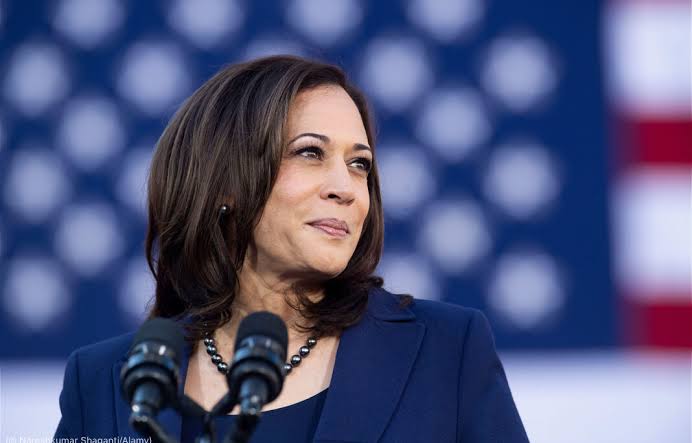
Picture this in your mind: Kamala Harris, former senator from California, the state that happens to house Silicon Valley, is now the President of the United States.
Harris’s political journey has taken her from being a District Attorney in San Francisco to the Attorney General of California, then to the U.S. Senate, and later, the Vice Presidency.
With all of her experience dealing with big issues like criminal justice reform, immigration, and tech policy, it’s no surprise that her views on the tech industry have evolved along the way.
Harris has a unique relationship with the tech world. On one hand, she knows Silicon Valley well, having represented California.
On the other, she has voiced concerns over issues like privacy, misinformation, and data security, giving Big Tech executives reasons to panic.
With the U.S. 2024 election sparking questions about regulation, tech giants are anxiously waiting to see where the chips will fall.
So, if President Kamala Harris took the wheel, what do you think would happen to America’s tech giants?
Buckle up!
The Big Players: Who and Who are in the Hot Seat?
Let’s face it, no conversation about the American tech industry is complete without a mention of the “Big Five”: Google, Apple, Facebook (now Meta), Amazon, and Microsoft.
These companies have become a powerful force in the American economy, accounting for nearly 20% of the S&P 500 as of 2023.
Collectively, these tech titans wield massive influence. But with influence comes responsibility, and regulators—including Harris—have taken a closer look.
Harris has historically taken a cautious approach to tech regulation, which may be comforting to some in Silicon Valley.
However, she’s also expressed concerns about privacy and the unchecked power of large corporations, stating in 2019 that “people have a right to be concerned about Big Tech” and that transparency is essential in the digital age.
Her administration would likely walk a fine line between promoting innovation and enforcing accountability.
2024 Election Recap: How We Got Here
The 2024 election was a roller-coaster, with tech policy becoming a defining issue.
Concerns about misinformation, AI regulation, and antitrust enforcement made headlines.
While her opponent took a hard-line stance on breaking up Big Tech, Harris promised a “thoughtful, measured approach” to tech regulation.
Voters found her balanced view compelling, and here we are, with a President Harris leading the charge.
According to a 2024 poll by the Pew Research Center, 67% of Americans support some form of regulation for Big Tech, and a significant portion believe that tech companies have too much power over daily life.
Harris’s victory was fueled partly by this sentiment, with voters looking for moderation rather than radical dismantling of these companies.
Tech Executives Weigh In: Nervous Applause?
Now, let’s hear from the big bosses themselves.
Tech execs have mixed feelings about Harris.
Satya Nadella from Microsoft reportedly told shareholders that he “appreciates President Harris’s understanding of Silicon Valley but hopes for a balanced approach.”
Meanwhile, Mark Zuckerberg is likely holding his breath, given that Meta’s practices have come under fire in previous Congressional hearings—Harris could support tighter regulations on misinformation and privacy.
Tim Cook of Apple, on the other hand, has cautiously applauded her focus on privacy, as Apple has staked its reputation on data protection.
Sundar Pichai, CEO of Alphabet, has also expressed optimism, suggesting that a Harris presidency could promote innovation while holding firms accountable.
But in reality? Everyone’s a bit nervous.
What’s Next for Innovation and Regulation?
The big question is how Harris would balance the tightrope between supporting innovation and enforcing regulations.
Her administration might lean into privacy reforms, especially as new AI developments raise ethical concerns. Under Harris’s watch, you might see:
Stronger Data Privacy Laws: With more stringent requirements for user consent and transparency, especially given her experience in law enforcement.
AI and Algorithm Regulation: Expect Harris to advocate for clearer AI guidelines. After all, she once hinted at the need for “guardrails” on AI to protect Americans’ privacy and safety.
Misinformation Crackdown: Social media companies, get ready. Harris has spoken out against misinformation and would likely push for reforms to combat fake news and harmful content online.
The Silicon Valley Shuffle: Can Tech Giants Adapt?
If Harris steps into the Oval Office, tech companies would face new rules.
But it might not all be bad news.
By promoting fair competition and a transparent ecosystem, Harris could push for a healthier tech landscape.
Executives might grumble about new restrictions, but if her policies bring public trust back to tech platforms, it could actually drive up user engagement and market confidence.
According to Statista, the digital ad market alone is projected to reach over $500 billion by 2027.
Harris’s focus on accountability could make the public more comfortable, encouraging growth in areas like cloud computing, AI, and quantum computing—so long as these advances come with some ethical checks and balances.
In Conclusion: The Future Looks… Interesting!
If Kamala Harris were to become President, the tech industry might not face the “break up Big Tech” nightmare some CEOs fear.
Instead, her approach could be more about enforcing smart, responsible regulations that address real concerns like privacy, misinformation, and competition.
The tech industry would have to learn a few new steps in the regulatory dance, but Harris could also open doors for greater public trust and global leadership in tech innovation.
As tech insiders say, “with great power comes great responsibility.” It looks like Big Tech might need to make room for a little bit of Harris-inspired accountability on the dance floor!
About The Author



Be First to Comment